
Hearthstone has two ban triggers that catch more legitimate players than almost any other Blizzard game – and neither of them involves actual cheating. Rope abuse flags hit mobile players with unstable connections. Deck Tracker plugin bans can hit players who didn’t realize a custom plugin crossed the line. Both look identical to intentional violations from Blizzard’s side, and both need completely different appeals than a standard botting or toxicity case.
Getting unbanned from Hearthstone starts with knowing which of those situations applies – because the evidence that moves each case is specific enough that the wrong proof doesn’t just fail to help, it can actively slow the review.
Reconnect Abuse – The Flag That Catches Innocent Players Most
The rope mechanic gives each player time to act before the turn ends automatically. Repeatedly disconnecting late in the turn runs the rope on the opponent, and Blizzard’s system flags that pattern as intentional griefing regardless of whether it was deliberate.
Mobile players on 4G or public WiFi are the most common victims of this flag. Frequent late-turn disconnects look identical from the server side whether they’re caused by a bad connection or intent. Unstable home WiFi during a long Battlegrounds session produces the same signature. The detection doesn’t distinguish – it just sees the pattern.
If a Hearthstone unban request involves a reconnect abuse flag without any intent behind it, the ban appeal needs to address the connection specifically. Network diagnostics showing the instability, ISP records if available, and a description of the specific network situation – mobile on 4G, known ISP issues, a location with consistently poor signal. That context is what distinguishes a genuine connection problem from griefing for the reviewer. Without it, the flag sits unexplained and the appeal looks like a denial without evidence.
Skip the Hassle - Get Expert Help Unbanning Your Account!
Get Unbanned!Deck Tracker – Legit Tool, Illegal Plugins
Hearthstone Deck Tracker is legit when downloaded from the official GitHub with default settings. What isn’t allowed are custom plugins that reveal hidden opponent information – hand compositions, deck contents, probabilities derived from data the opponent’s client shouldn’t have access to.
The problem is that Deck Tracker’s plugin ecosystem is large enough that players install additions without fully understanding what each one does. A plugin that surfaces opponent hand information in a subtle way can run quietly for weeks before triggering a flag – and when it does, the ban looks like a bot detection from the outside.
If Deck Tracker was running during the flagged session, the appeal needs to address it directly. Uninstall or disable all custom plugins before the next session, attach the Tracker log showing normal overlay use, and explain which plugins were active and what they did. Deck Tracker itself being present isn’t the issue – what matters is whether any plugin was accessing information it shouldn’t have. Being specific about what was installed and why is more credible than a general statement that “only Deck Tracker” was running.
What Each Hearthstone Ban Type Actually Needs
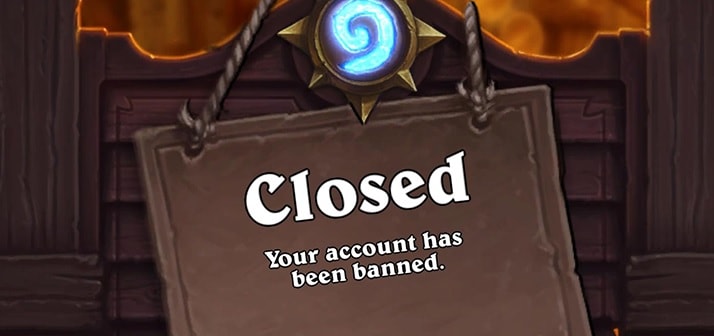
- Botting or automation flag Match IDs for the flagged sessions, a full process list showing what was running alongside the game, and a gameplay video or HSReplay link demonstrating manual play. The game mode matters – Standard, Wild, Battlegrounds, and Mercenaries each have different telemetry, and Blizzard’s GMs search by mode. Include the current game build number visible in the lower-left of the title screen. Outdated clients sometimes hash like modified installations and can contribute to false flags on their own.
- Win-trading or queue-sniping Match IDs and a timeline showing the matches weren’t coordinated. A stream VOD or replay demonstrating random queue patterns adds weight. Queue-sniping flags at legend rank are more common than most players expect – the matchmaking pool at high legend is small enough that repeated matches against the same opponent can look like coordination even when it’s coincidence.
- Toxic chat or emote spam Full chat log with surrounding context. Inappropriate BattleTag flags follow the same path – a direct acknowledgment and a rename request moves these faster than disputing whether the tag was actually offensive.
- Boosting or account sharing IP login timeline, device list, statement of sole account control. If someone else briefly accessed the account, address it directly rather than leaving an unexplained device entry in the login data. Authenticator history is worth exporting if devices were swapped around the ban date – it clarifies IP jumps that would otherwise look like unauthorized access.
How to Submit a Hearthstone Ban Appeal
To get unbanned from Hearthstone, you must submit a ban appeal via Blizzard’s Support Center.
The page can take a bit to load, but if the form still doesn’t show up, try a different browser instead.
Once the form is loaded, this is where the appeal should be written. Include any relevant information regarding when the ban took place, why you think was the cause, what (if anything) out of the ordinary happened around that time. Or, save time and stress and have us craft the perfect appeal for you!
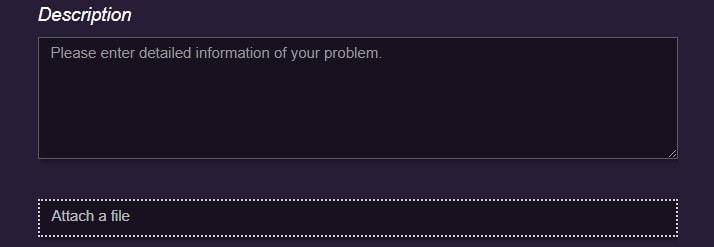
Once that’s completed, simply press the blue “Submit” button underneath the form, and your ban appeal will be sent to Blizzard Support for a review.
Don’t forget to keep an eye on your account’s email address, as that’s where you’ll get notified once they reply, but you will also be able to check for their answer within the Battle.net Support Center.
That’s all there is to it! Hopefully our guide was helpful regarding your banned Hearthstone account!
We’re here to give you the best help in order to recover your account!
Get Unbanned!